Mike Butorac avatar
Hello!

I've just started some solar work in preparation for the upcoming eclipses. Here's the first attempt with a Canon 90D/ 100-400 lens and a Thousand Oaks filter. It's been through Topaz Sharpen.  have no idea if it's a reasonable image or not. Any suggestions would be appreciated.

Mike
Oscar H. avatar
I like it. I don't think I would expect any more detail than that, with a 400mm lens and APS-C sensor.

But, you should take into consideration buying a Mak-Cassegrain, they are the best budget option (I believe) for super closeup planetary and solar work, especially lunar, and they're even better when paired with small pixel astronomy cameras. I've seen some super cheap Maks on CloudyNights classifieds.
Helpful Concise Supportive
Mike Butorac avatar
I like it. I don't think I would expect any more detail than that, with a 400mm lens and APS-C sensor.

But, you should take into consideration buying a Mak-Cassegrain, they are the best budget option (I believe) for super closeup planetary and solar work, especially lunar, and they're even better when paired with small pixel astronomy cameras. I've seen some super cheap Maks on CloudyNights classifieds.

Oh, I'm sure I can easily do better - problem is getting to eclipse site via human mailing tube.
Oscar H. avatar
Oh, I understand, then I think you'll do fine with the lens. These are 2 examples of partial solar eclipses taken with your lens  https://www.astrobin.com/c8bwva/ https://www.astrobin.com/j76prc/

You should get Photoshop if you don't have it, it's a must for all photographers.
Matt Dees avatar
@Mike Butorac 

That's a decent image, and not bad at all for your first. It does seem a tad dark to me. What was you shutter speed, aperture and ISO? I do think you should be able to pull some more detail out of it though, and I bet your biggest issue is "slowish" shutter speeds due to the thousand oaks filter. 

I highly recommend replacing it with some baader astrosolar PHOTO film OD 3.8 (not the astrosolar SAFETY film OD 5.0). I used a thousand oaks full aperture solarlite polymer filter during the annular eclipse and my shutter speeds were 1/10-1/50th at F13 ISO 640. This is pathetically slow, and I got a lot of motion blur in my images from the wind.

Luckily, the baader astrosolar PHOTO film arrived the day before I left, and I made a DIY filter with it and used it on my backup camera. This film is ~12 stops vs 15.5 stops so my shutter speed was 1/6400th F10 ISO 100. I shot handheld and the images were much better than my primary setup on a tracking mount. Do know that the baader PHOTO film is NOT viewing safe. You cannot look through your optical viewfinder, only live view. But it is perfectly safe for the camera. It just blocks less light than normal viewing safe filters. 

As far as your camera and lens, they should work just fine. I used a Canon R5, an EF 100-400 IS II lens, and a 1.4x iii extender. This is 560mm effective focal length and your setup is 640mm effective focal length thanks to your aps-c sensor (plus you don't get the negative affects of using a teleconverter). Using the baader film is the biggest benefit. The MUCH faster shutter speeds will help eliminate motion blur and might even help reduce some atmospheric distortions. I think you will get a lot more detail using it.

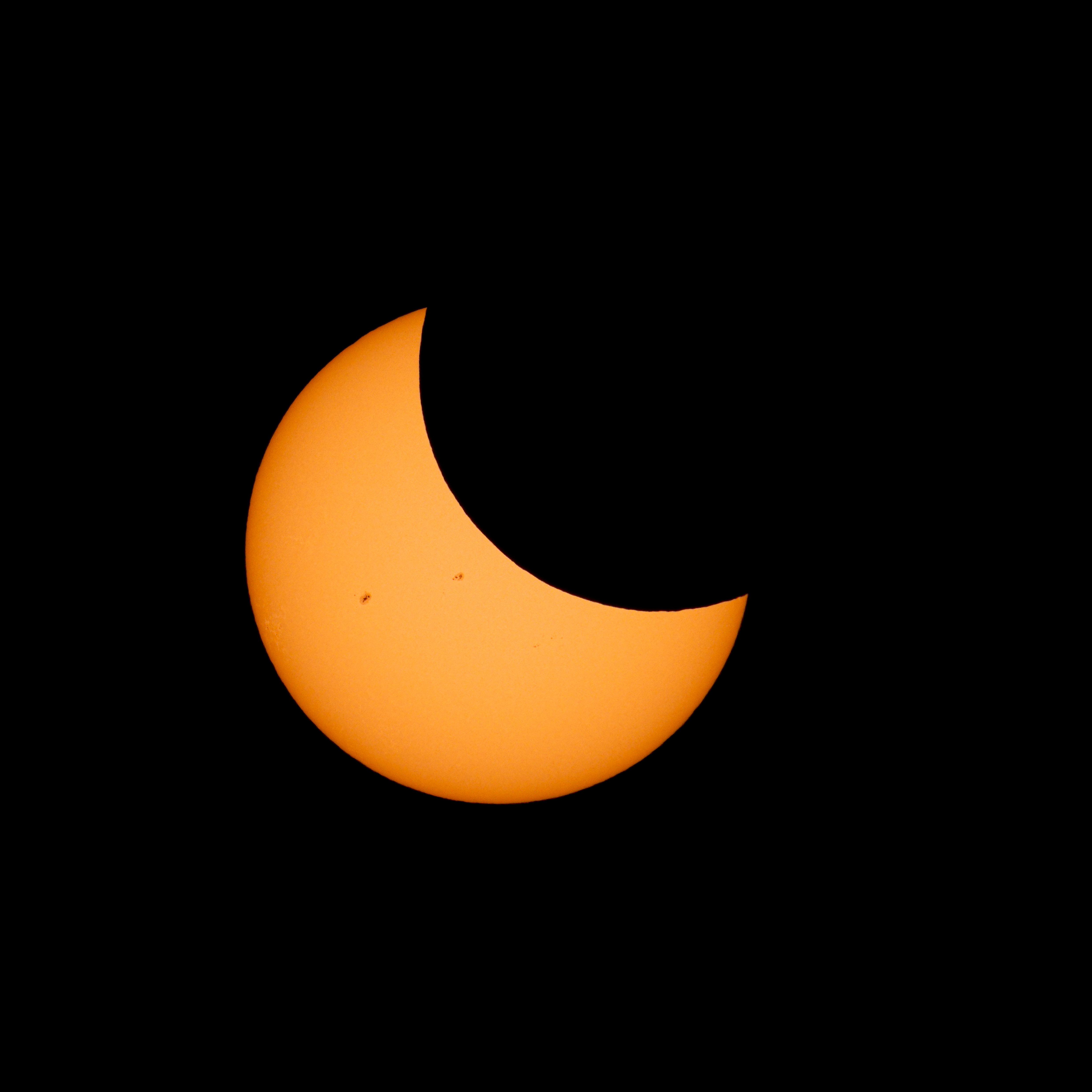
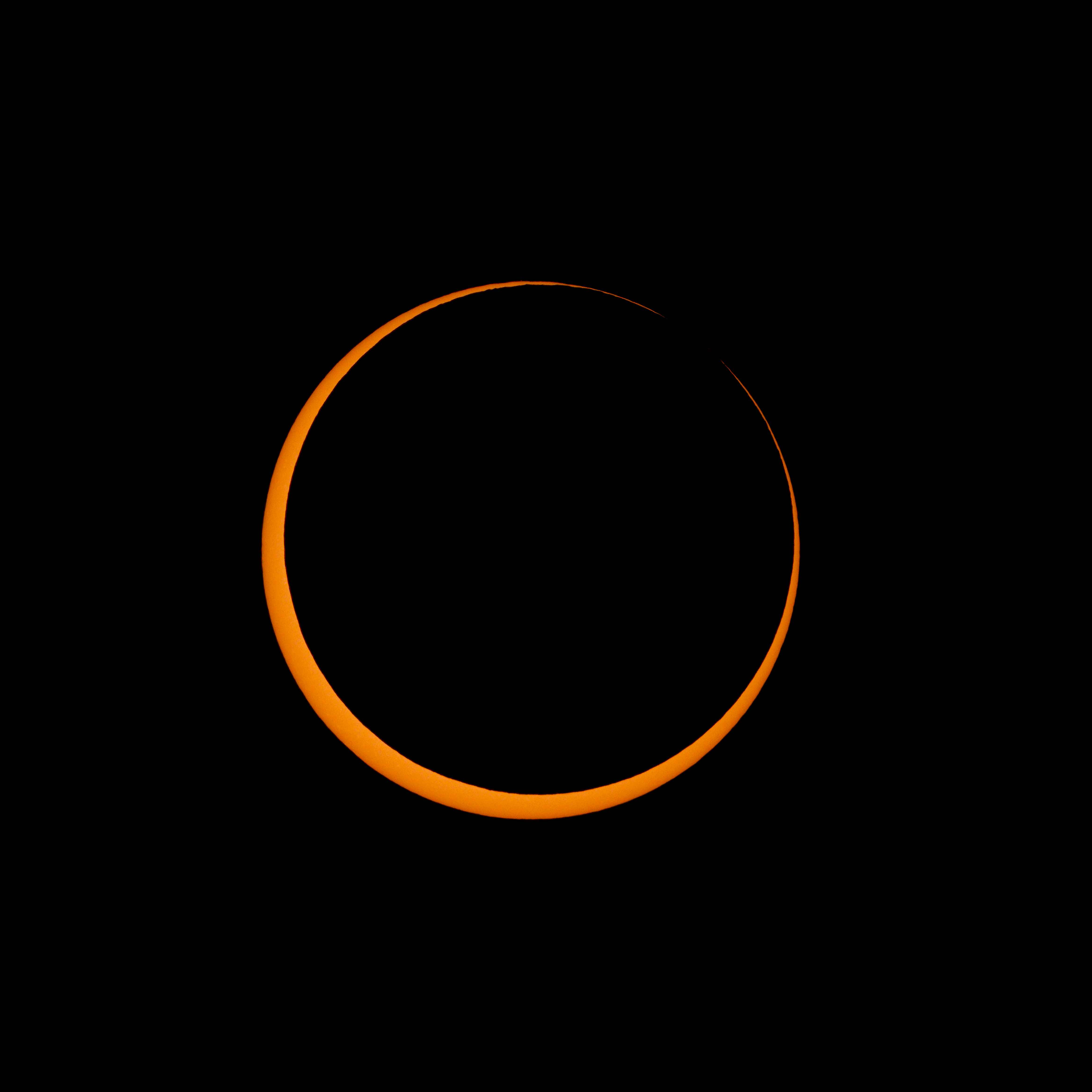
These images were captured handheld using the baader astrosolar photo film at 560mm, 1/6400th F10 ISO 100 and processed in lightroom (the last image was processed in Photoshop and lightroom).....

Here is a link to the full resolution image to see what kind of detail you can expect...

https://www.astrobin.com/full/1mctw7/0/?mod=&real=


Helpful Engaging Supportive
Related discussions
Hello from Suffolk, UK
Hi, I've been interested in Astrophotography for a couple of decades, originally starting on my balcony in Shanghai with an ETX-125 I bought for a solar eclipse. I've been sporadically taking pictures through scopes since, especially since mo...
Astrophotography experience sharing relevant to solar imaging techniques.
Feb 6, 2025
What's your solar story?
Hi everyone, I am old enough to remember a time when white-light solar filters were pretty much the only filter option for most amateur astronomers. I was working for a telescope retailer at the time when the Coronado P.S.T. first came out. Over the ...
Direct match - discusses solar filters and amateur solar astronomy.
May 17, 2025
Planetary Imaging Setup and Prep
Finally finding some time to get back to imaging and have been focusing on getting my planetary routine set. I've ran into some frustrating challenges along the way and wanted to see how others have overcome these things and maybe learn something...
Planetary imaging setup discussion applicable to solar work preparation.
Apr 24, 2025