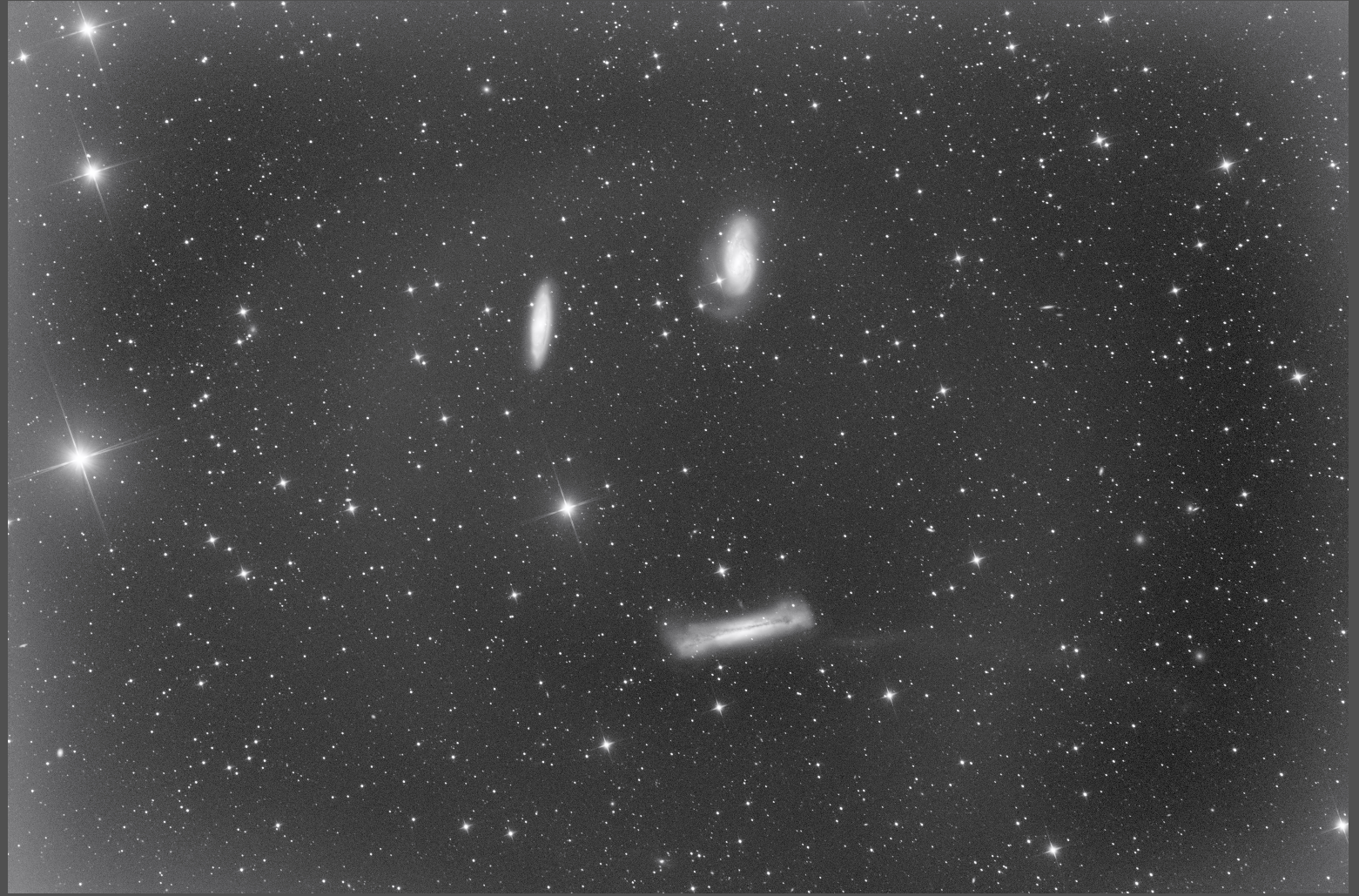
Hi everyone,
I'm having an issue with flats/calibration in my setup.
My setup consists of a Carbon TS Newton 200/800 with Starizona Nexus (effectively 200/600), QHY ImageTrain (QHY 268M with QHY CFW), and AstroWanderer Rotator. A screenshot from MyNewton (if I measured/understood everything correctly) is attached. The OAZ is the Baader Steeltrack.
After calibration (whether using sky flats or a panel), I get the following master (the gradient from the top left to the bottom right could be explained by the moon - it matches the moon's position; however, I think LN should do a better job here):
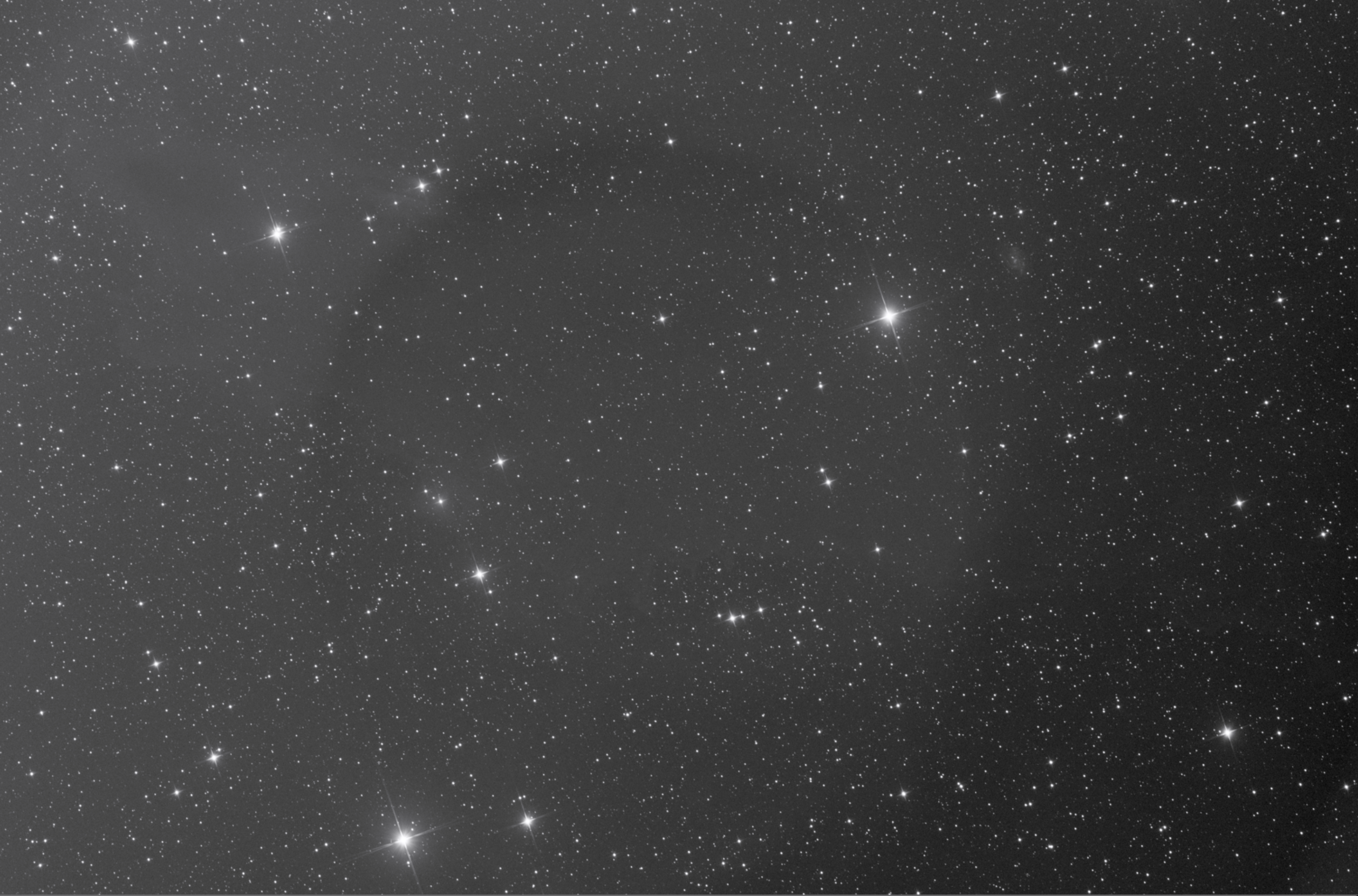
In my opinion, my master flat looks good. Dark/FlatDark/etc. should also be fine - I've checked it multiple times:

(sky flat master)
Flats and lights are both taken with a dew cap (so everything is exactly the same) - same focus and exact same rotation (the rotator doesn't rotate anything within a night).
The best results I've had so far were when I took the flats with the panel directly at night - basically inserted between the lights. I suspect this is because the focus/temperature/etc. are most similar. However, this wasn't perfect either and is obviously not practical.
In my opinion, there are 2 issues with the calibrated master:
These problems also occur without flat calibration.
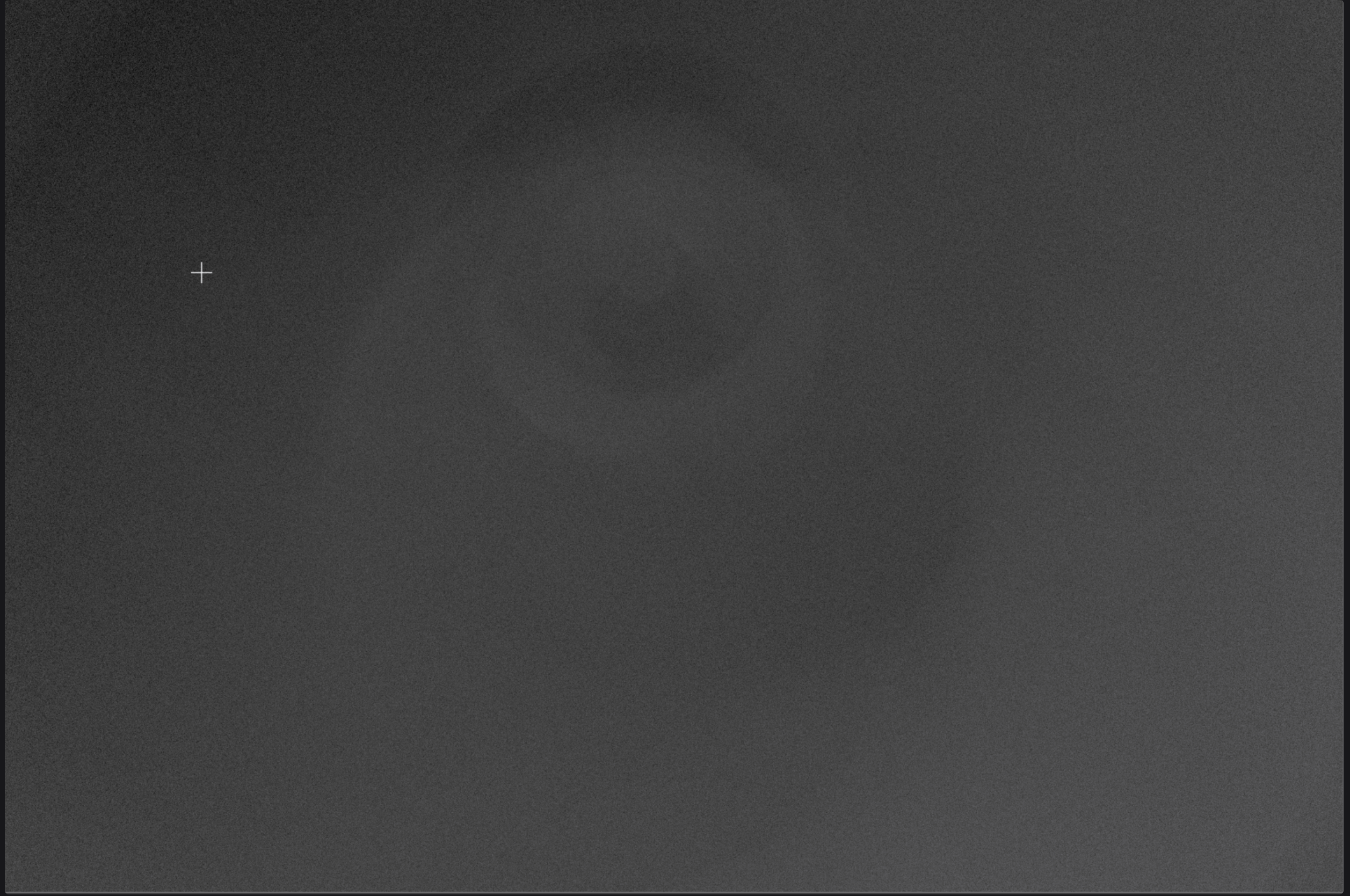
When I compare 2 sky master flats from different nights (by division), I get the following "difference":
When I perform an ABE with "Function Degree" 2 on a master flat, I get the following result:
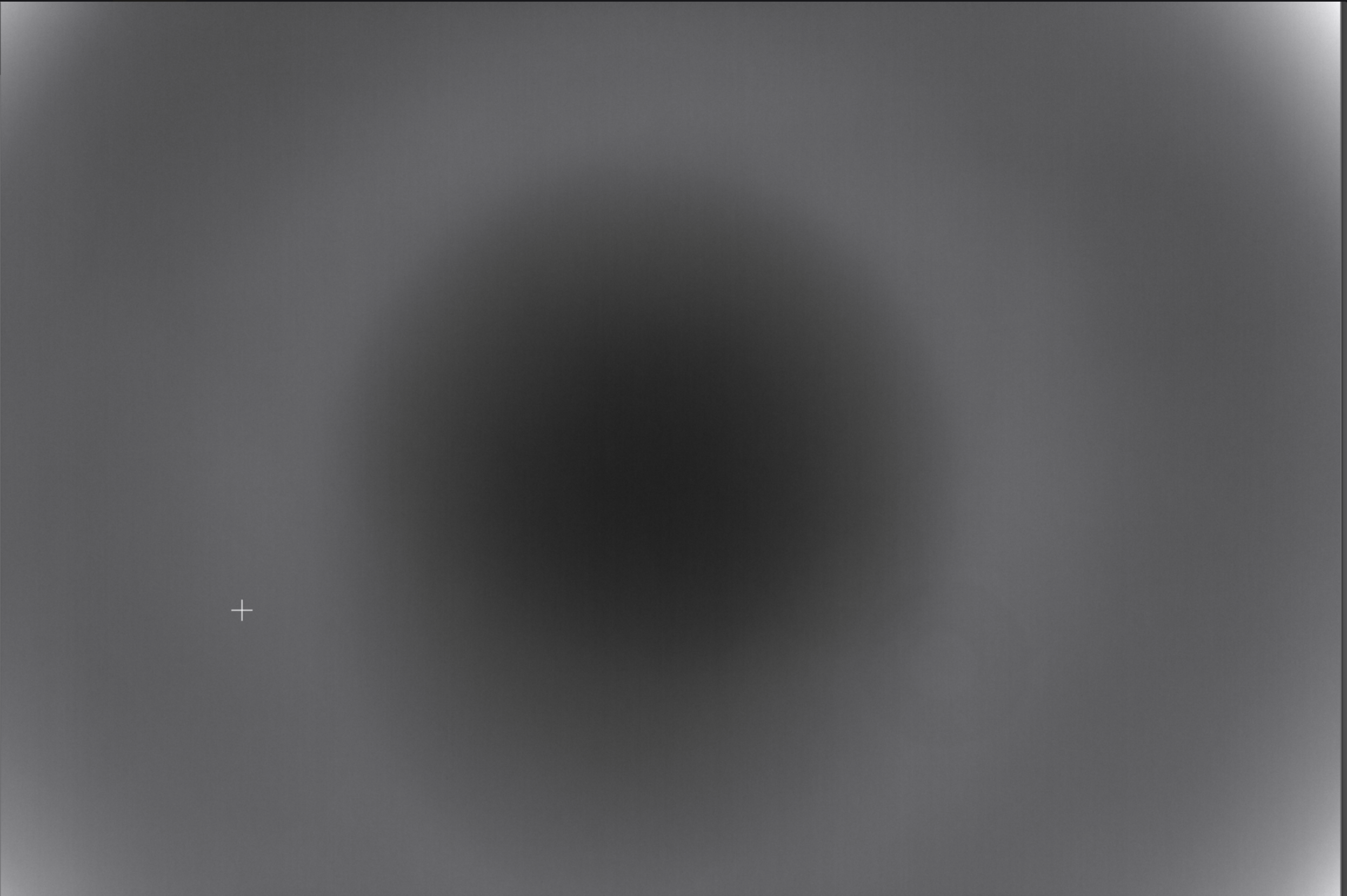
What's going on here?
Theoretically, I have the following issues in mind, but I don't know how to address them further...
I'm having an issue with flats/calibration in my setup.
My setup consists of a Carbon TS Newton 200/800 with Starizona Nexus (effectively 200/600), QHY ImageTrain (QHY 268M with QHY CFW), and AstroWanderer Rotator. A screenshot from MyNewton (if I measured/understood everything correctly) is attached. The OAZ is the Baader Steeltrack.
After calibration (whether using sky flats or a panel), I get the following master (the gradient from the top left to the bottom right could be explained by the moon - it matches the moon's position; however, I think LN should do a better job here):
In my opinion, my master flat looks good. Dark/FlatDark/etc. should also be fine - I've checked it multiple times:
(sky flat master)
Flats and lights are both taken with a dew cap (so everything is exactly the same) - same focus and exact same rotation (the rotator doesn't rotate anything within a night).
The best results I've had so far were when I took the flats with the panel directly at night - basically inserted between the lights. I suspect this is because the focus/temperature/etc. are most similar. However, this wasn't perfect either and is obviously not practical.
In my opinion, there are 2 issues with the calibrated master:
- Gradient from top left to bottom right
- Huge donut, quite central. The pixel diameter is about 6000px, which would correspond to a distance of about 63 mm from the sensor? That would be roughly at the first third of the Starizona Nexus => its sensor distance is quite exactly 54mm.
These problems also occur without flat calibration.
When I compare 2 sky master flats from different nights (by division), I get the following "difference":
When I perform an ABE with "Function Degree" 2 on a master flat, I get the following result:
What's going on here?
Theoretically, I have the following issues in mind, but I don't know how to address them further...
- Light leaks from the outside (it's now very well sealed) and in my opinion, wouldn't explain the donut
- Reflection through the Starizona Nexus? "Pupil Ghost"? Possibly wrong distance?
- FS edge reflecting? I have a small center marking on the FS => maybe that's the cause? But due to the distance to the FS, it should only lead to a general reduction in contrast and not cause such a donut?
- Filters not positioned exactly? Since they are 2" filters and the problem was less when the conditions like temperature/telescope position were as similar as possible, I don't think that's the issue either
- Any other ideas?