Hi team.I've been doing Astrophotography for over a year now and I have a question that's been bugging me for quite sometime. Does Fuji actually absorb 30% more of HA light compared to other camera models? Do I really need to buy another moded camera?Quite recently I've been obsessed with deepsky photography and with getting more and more detail. I want to know if getting enhanced red nebulae colour is possible without a moded camera. I have never used a moded cam, so I do not know what to compare it to.here are some deepsky and landscape photos I have taken with my fuji X-t4 and Star adventurer 2i. mainly 18-55mm lens and Samyang 135mm f2
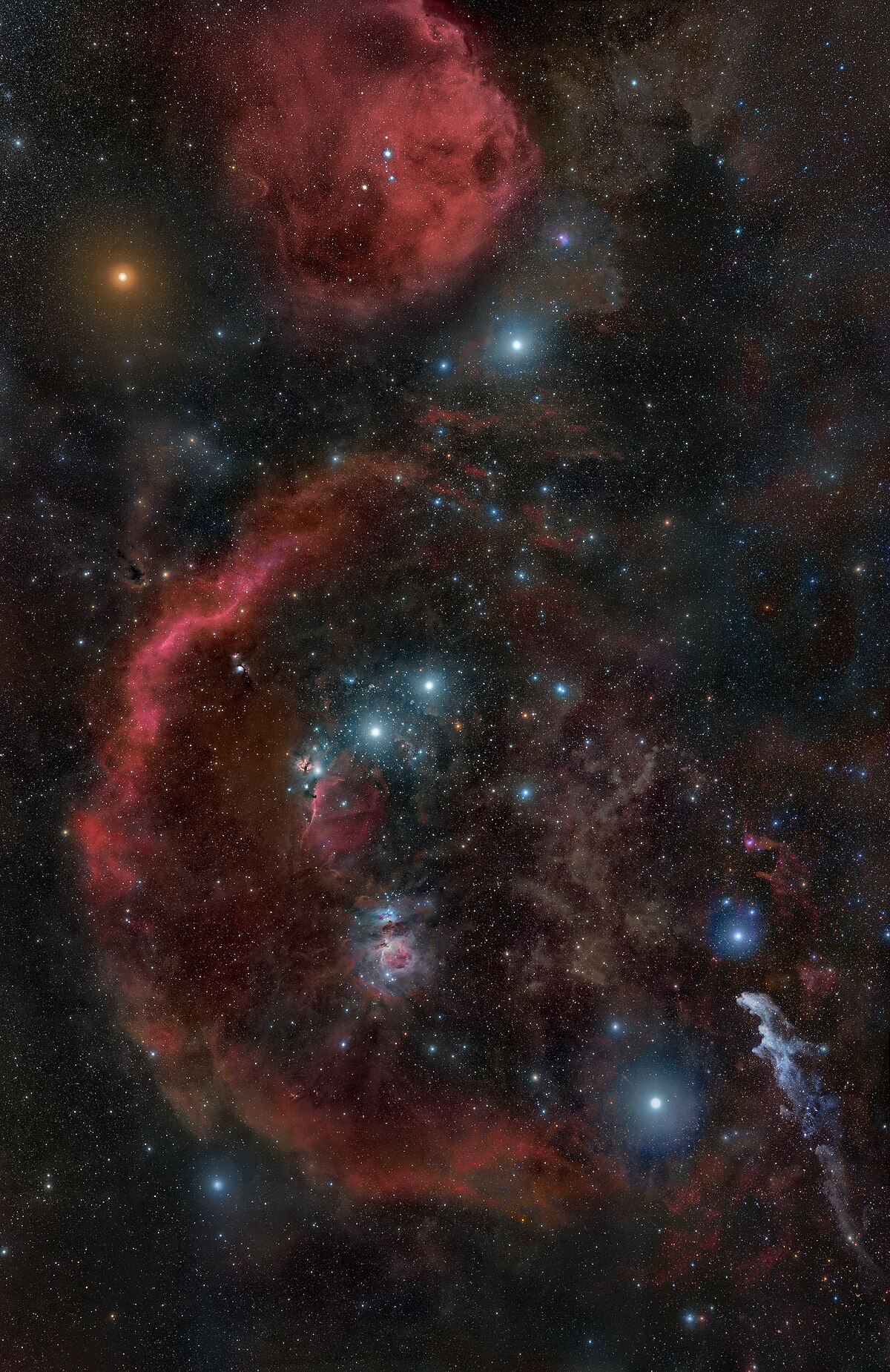
https://www.reysandu.com/deepskyBut Ideally, I would like to take photos as shown below. With the red popping out.
maybe the issue is the way I edit?
image01
Image02Anyways. Is this doable with my camera? I have heard that the longer the exposure the better. But I have found that I also intend to get more noise and light pollution with exposing for long hours.I recently also purchased this narrowband clip filter for my Fuji, and fingers crossed it does help. To sum it up, I am curious if I can acquire images as such with my gear, without having to by another moded camera.https://www.cyclopsoptics.com/astronomy-filters/stc-astro-duo-narrowband-clip-filter-fujifilm-x-series-free-shipping-free-lenspen/please let me know. Thanks team
https://www.reysandu.com/deepskyBut Ideally, I would like to take photos as shown below. With the red popping out.
maybe the issue is the way I edit?
image01
Image02Anyways. Is this doable with my camera? I have heard that the longer the exposure the better. But I have found that I also intend to get more noise and light pollution with exposing for long hours.I recently also purchased this narrowband clip filter for my Fuji, and fingers crossed it does help. To sum it up, I am curious if I can acquire images as such with my gear, without having to by another moded camera.https://www.cyclopsoptics.com/astronomy-filters/stc-astro-duo-narrowband-clip-filter-fujifilm-x-series-free-shipping-free-lenspen/please let me know. Thanks team