

Hi again,
This problem of overcorrection has been a hot topic in many forums and I couldn't find any good solution after testing the various recipes read on those forums (exposure time of the flats > 5 seconds - I have been doing flats with all kind of exposures to avoid "non linear" responses of the camera, but nothing works, short or long exposures ; I have tried various way of calibrating my lights, with Darks that includes Bias or not, with or without Optimize Darks etc.). And I had the same problem in Pixinsight as well as Siril.
Anyway, the thing is : when measuring the ratio between brighter and darker pixels on the flat and in a light, the difference was of around x1,7 (ratio of the ratios). So mathematically, it couldn't work.
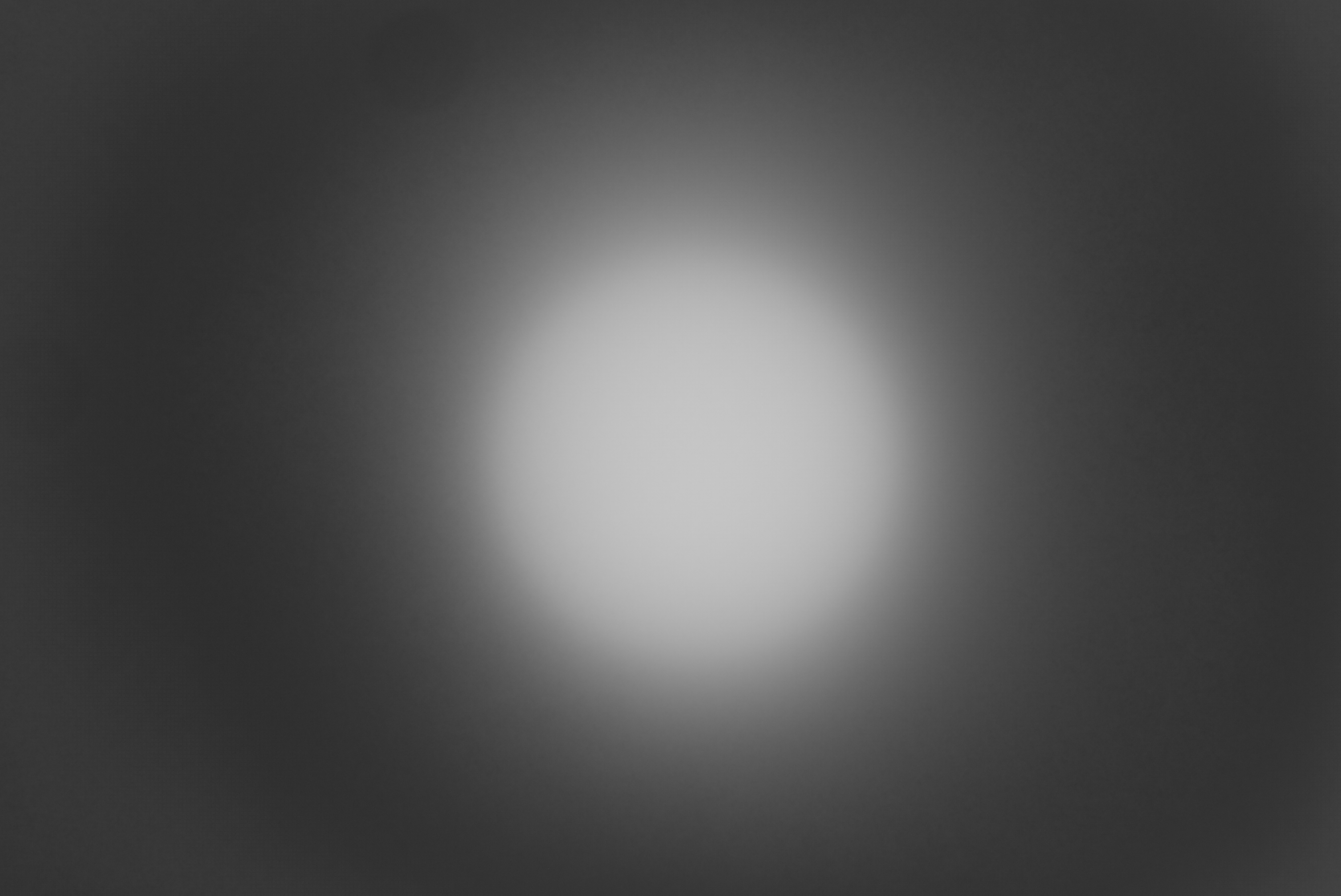
I will add some pictures (jpg of my 32bits files) so that you see what I had.
My workaround - which I don't like because it is a dirty trick - was to adapt the contrast of the Master Flat to match the one I have in my light.
To measure the contrast, I have taken some values manually on the flat, at the center and at one of the darkest corner, and did the same - near the same areas in a Light. I derived the contrast ratio in both images and computed the ratio between them (1,7).
Then, with Pixelmath in Pixinsight, I just tweaked the contrast in a classical way :
(MasterFlat - mean(MasterFlat))/(2*1.7) + mean(MasterFlat)
The 1,7 was derived from my previous measurements of contrast ratios above. I still don't know if that's reproductible with my setup.
Then I saved the new MasterFlat ("TweakedMasterFlat"), and the correction works like a charm.
Of course, I may do something wrong elswhere and this is probably not the way to go, but if people who are starting astrophotography like me and haven't finished all the books yet, struggle with that, they may have a quick workaround :-)

This problem of overcorrection has been a hot topic in many forums and I couldn't find any good solution after testing the various recipes read on those forums (exposure time of the flats > 5 seconds - I have been doing flats with all kind of exposures to avoid "non linear" responses of the camera, but nothing works, short or long exposures ; I have tried various way of calibrating my lights, with Darks that includes Bias or not, with or without Optimize Darks etc.). And I had the same problem in Pixinsight as well as Siril.
Anyway, the thing is : when measuring the ratio between brighter and darker pixels on the flat and in a light, the difference was of around x1,7 (ratio of the ratios). So mathematically, it couldn't work.
I will add some pictures (jpg of my 32bits files) so that you see what I had.
My workaround - which I don't like because it is a dirty trick - was to adapt the contrast of the Master Flat to match the one I have in my light.
To measure the contrast, I have taken some values manually on the flat, at the center and at one of the darkest corner, and did the same - near the same areas in a Light. I derived the contrast ratio in both images and computed the ratio between them (1,7).
Then, with Pixelmath in Pixinsight, I just tweaked the contrast in a classical way :
(MasterFlat - mean(MasterFlat))/(2*1.7) + mean(MasterFlat)
The 1,7 was derived from my previous measurements of contrast ratios above. I still don't know if that's reproductible with my setup.
Then I saved the new MasterFlat ("TweakedMasterFlat"), and the correction works like a charm.
Of course, I may do something wrong elswhere and this is probably not the way to go, but if people who are starting astrophotography like me and haven't finished all the books yet, struggle with that, they may have a quick workaround :-)




 .
.