Paul Larkin:
Maybe you already have the controler but for those of us who don't, getting it right manually, at least for me, has proven to be less effective than a dew strap. It may also help reduce ice formation inside the tube. Maybe the ring set low, with a strap around the shield might serve as well.
The issue with the dew shield is that it is non-metal, so I don't think it would conduct heat very well if at all with a dew strap. The dew ring works just fine, I've only used it to about 40% capacity as I have insulated my tube and installed fans in the rear. No issues with blooming or weird stars at all.
Everything mentioned in this thread was done by me. Replaced focusers, replaced filter wheels, on and on, everything.
Over a period of several months worked with people at pixinsight and other forums. All the above was addressed.
Finally, and got confirmation by Roland Christian, that it is reflections. So unless you can resolve this, forget the rest. All of what is being said here has been said countless times before.
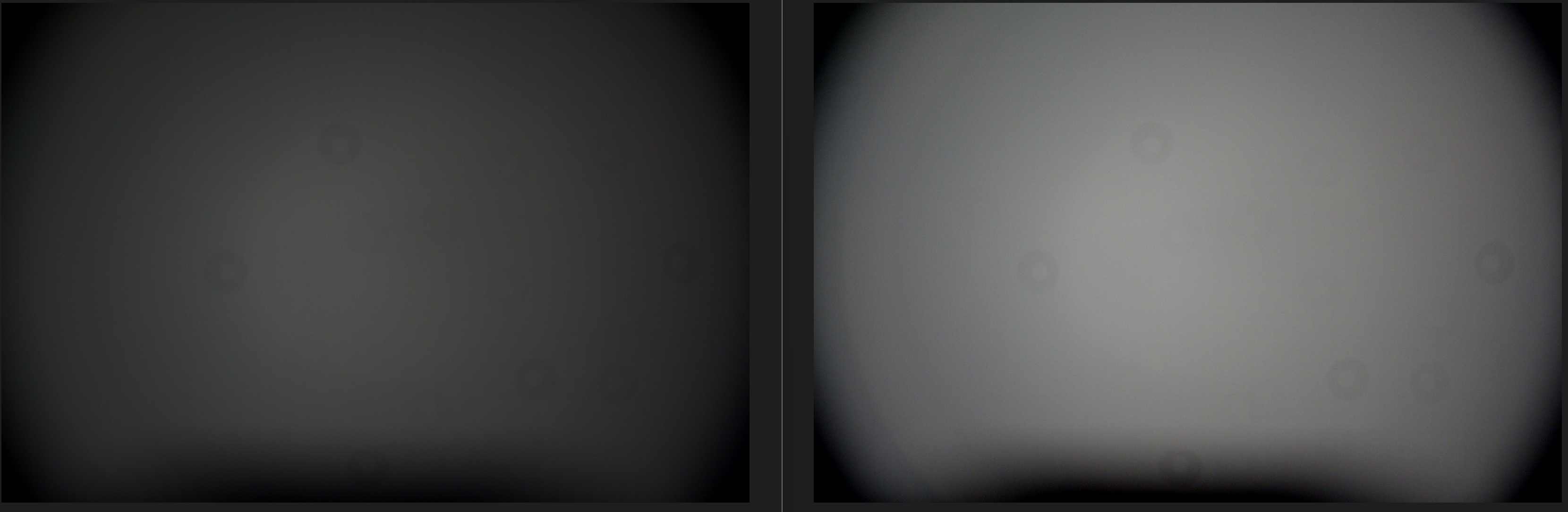
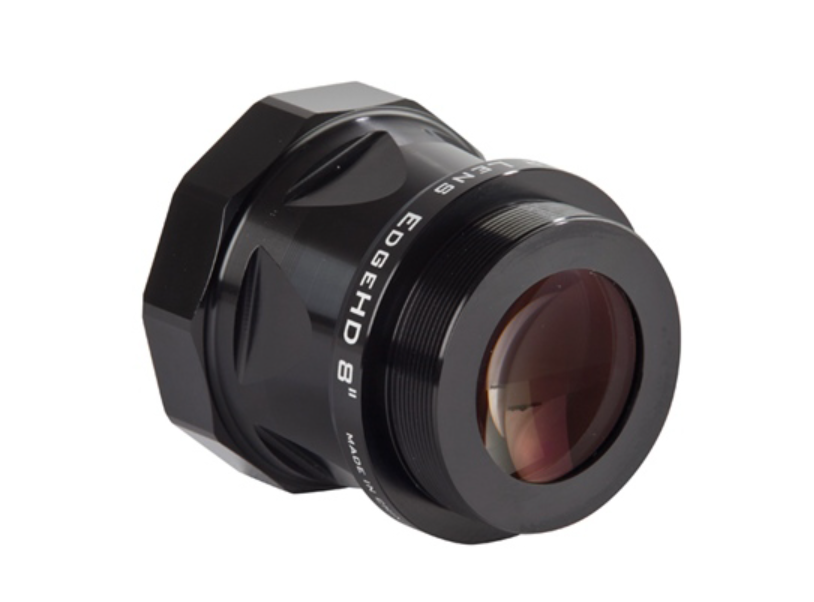
The celestrons with reducers are at best APC sized. Otherwise reflections kill the image.
The last stack didn't go too well either. So I concur, there must be reflections coming off of somewhere in the tube. I am using APS-C.
I've grossly overdone this just to highlight how bad it is:
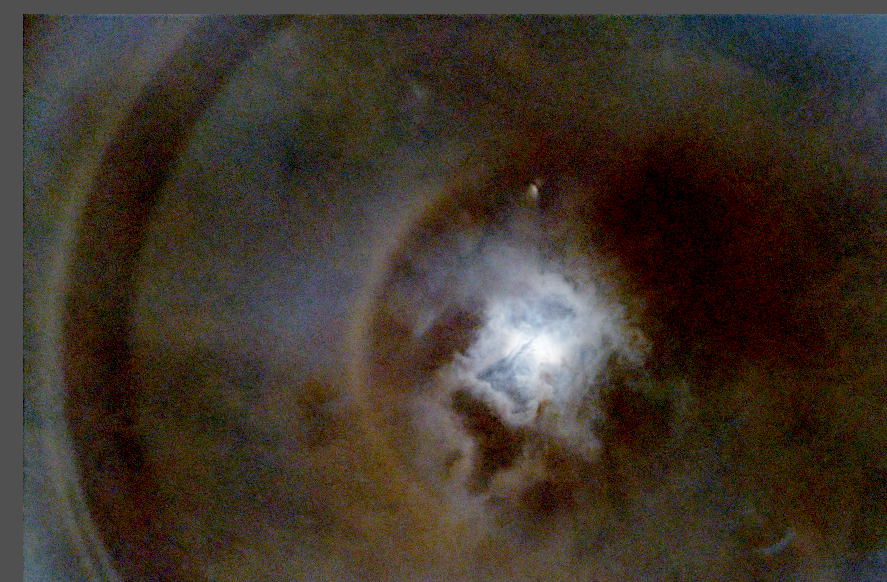
There is very little correction going on at all, even with new flats, maybe the increased contrast in the flats even made things slightly worse. That being said - this is two sets of data so there is some shift from one day to the next as it was being phsyically moved. I didn't expect to see a full correction, but if adding the dew shield was the solution it should have shown a more encouraging result at least.