SCT primary mirror fogs up on my EdgeHD !?

Jan Erik Vallestadandrea tasselliArnyRKBertaJohn Hayes
51 replies1.5k views
Arny avatar
I keep my EdgHD SCT outside all year under a weather cover and so far had nonproblems. 

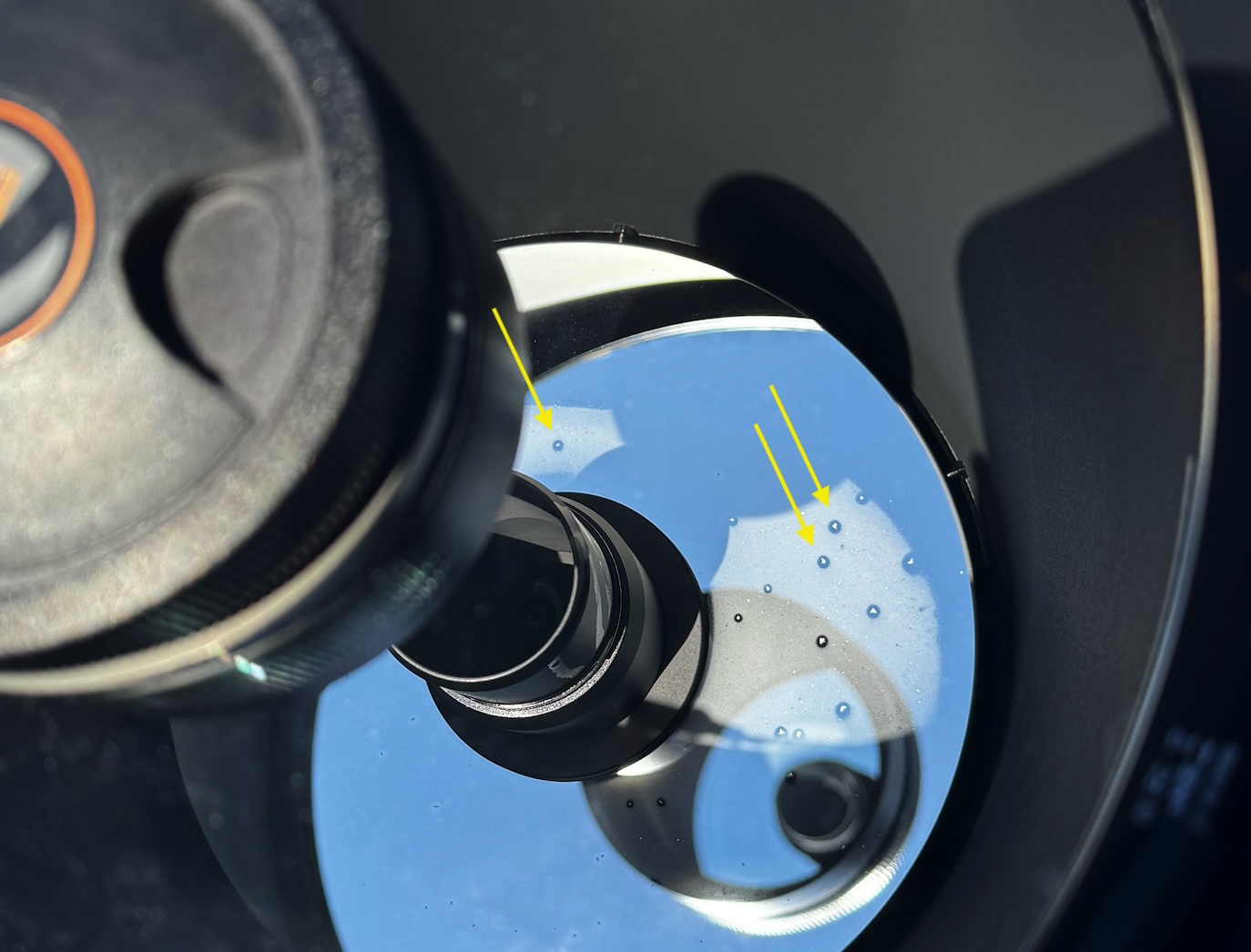
But last week after a freezing night and high humidity I noticed in the morning that the primary mirror had fogged up. 

a. How is this possible inside an almost entirely closed tube?
b. Has anyone made similiar experiences?
c. And how do I prevent this to happen?

Arny
andrea tasselli avatar
a. The "almost" makes all the difference in the world
b. Yeah
c. You can't (as long as you leave it outside)
Jan Erik Vallestad avatar
It's a bit of a paradox perhaps since bringing it inside would result in the same thing. I'm guessing an outdoor shed might be a good solution. I had the same happening to me as well recently while swapping the image train. Unfortunately mine had developed haze around the corrector plate after drying it off, so I'm about to clean it.
Tony Gondola avatar
I wonder if it would make sense to run a dew heater strap around the cast aluminum base of the scope, powered up when not in use. That might be just enough to keep the primary just a warm enough to prevent the condensation you're seeing.
Well Written Concise
Ashraf AbuSara avatar
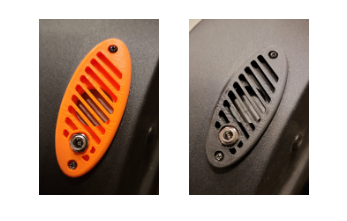
EdgeHD has vents to speed up temps equalizing to the outside. That can be good for cooldown, but bad if you are trying to avoid dew formation on the primary.

Cover the vents, and insulate the OTA with reflextix or other similar double layered reflective insulators. This slows down the temprature changes inside the OTA significantly, which prevents tube currents and also keeps the inside temp always a step higher than your dew point.

I live in extremely humid coastal south Texas and I never had dew formation on my primary mirror of my C11, only on the corrector if I don't have the dew heater ring set correctly and not using the dew shield.
Helpful
Richard Carande avatar
I was noticing the same thing on my Edge HD11.   Leaving it out during a series of clear days/nights, I noticed not only some fog, but some ice crystals on the primary.  The temperature was in the single digits (F), with a similar dew point.  I have a dew heater on the corrector plate, and so that is fine.  Does anybody put dew heaters on the primary mirror? 

Also, what sort of image artifacts, if any would you expect from these crystals?  Spikey stars?

I took a picture of it in the morning.  The next morning, under similar conditions, there was no sign of dew/fog/ice on the primary.  
Helpful Insightful Respectful Concise Engaging
andrea tasselli avatar
Richard Carande:
Also, what sort of image artifacts, if any would you expect from these crystals?  Spikey stars?


Extra scattered light unless it is fully covered (with ice crystals, that is).
Bruce Donzanti avatar
Arny:
I keep my EdgHD SCT outside all year under a weather cover and so far had problems. 

But last week sfter freezing nights and high humidity I noticed in the morning that the primary mirror had fogged up. 

a. How is this possible inside an almost entirely closed tube?
b. Has anyone made similiar experiences?
c. And how do I prevent this to happen?

Arny

If you want to leave it out all of the time, there are two things to do which may prevent this .....and I did this with my C11" EdgeHD for years living in the San Francisco Bay area.

Get a Telemgizo 365 Series cover PLUS a GoldenRod Dehumidifier rod placed tangling just below the scope under the cover.  And loosely tighten the cover at the bottom.   It helps prevent the fog and dew on the corrector plate, secondary mirror and primary mirror.
Helpful
Jan Erik Vallestad avatar
As you guys are replying I realize that maybe the image train swap wasn't my issue at all, in fact it may have been dew on the scope even before I started doing that. 

If this is a common issue when kept outside, nothing will stop it from happening when it's in use though. I'm starting to doubt whether an SCT was the right move back when I got it.
andrea tasselli avatar
With the right conditions it will happen, that's the lot with catadioptrics. Not enough to be make them unviable but something to keep in mind. The n.1 rule in the world is if it can happen it will (Col. Murphy Law).
Bruce Donzanti avatar
I agree with Andreas- it happens more so on all catadioptric scopes due to the design with big mirrors, but that is no reason to consider it a bad purchase.  These scopes produce magnificent images.  Just look around on this site.  Get a dew heater ans heat strap.  It will work for many hours but could become overwhelmed at some point if the humidity is really bad- like in Florida summers where I live and use a C11" EdgeHD.  With that said, any scope's dew heater can become overwhelmed at some point.  It is all part of dealing with the elements while enjoying this hobby.
Helpful Concise Supportive
Arny avatar
Thanks for your great and plenty advices. 
Always good to know not to be alone with a problem :-)

Getting a reflectix cover and covering the vents sounds promising. 

Leading to two more questions:

1. Is there any chance to unfog it outside or do I have to haul it inside?

2. Would a heat strap around the primary work as there is a gap between tube and primary so it can move for focus and also it might create tube currents. 
Has anyone tried that successfully?

Arny
V avatar
Arny:
I keep my EdgHD SCT outside all year under a weather cover and so far had nonproblems. 

But last week after a freezing night and high humidity I noticed in the morning that the primary mirror had fogged up. 

a. How is this possible inside an almost entirely closed tube?
b. Has anyone made similiar experiences?
c. And how do I prevent this to happen?

Arny

The EdgeHD is not closed, thanks to the vents. 

I've had mine fog up.

Run the Dew heater on the corrector, it heats the internals just enough to keep dew from forming.

Only sure way to kill this problem is by using glue to bind sillica gel packets to the inside to keep moisture away from the primary, all while running a corrector plate dew heater. You can put them behind the mirror to keep them from reflecting any incoming light.
Helpful
John Hayes avatar
Arny:
I keep my EdgHD SCT outside all year under a weather cover and so far had nonproblems. 

But last week after a freezing night and high humidity I noticed in the morning that the primary mirror had fogged up. 

a. How is this possible inside an almost entirely closed tube?
b. Has anyone made similiar experiences?
c. And how do I prevent this to happen?

Arny
This is not an uncommon problem with SCTs.  What is happening is that the telescope tube is radiation to the cold sky and getting pretty cold. In turn, that cools the primary mirror through radiative cooling as well.  Don't seal the vents, not only will that not work to prevent dew (and/or frost) but you will lose the opportunity to fix two things at once.  Instead, order a set of Tempest fans.  The are very small but also very effective at eliminating baffle plumes and at helping to maintain the interior of the telescope close to the outside ambient air temperature through convective heat exchange.  If you wrap the tube in Reflectix as well, you should not see any more dew or frost inside of the telescope.  

You can add a heat strap to the OTA and that will further guarantee freedom from dew but it's likely to be overkill and as you suggested, it can produce tube currents.  If you do add a strap, keep it on a VERY low setting.  Add the fans and the Reflectix first to see how it works.  I doubt that you will need additional heat.

John
Helpful Engaging Supportive
Jan Erik Vallestad avatar
John Hayes:
Add the fans and the Reflectix first to see how it works.  I doubt that you will need additional heat.


Are these the ones you are referring to?


They look neat, but pricey. If I could run those off my Asiair it could be a viable option for me as well. Adding Reflectix is a rather cheap addition though as long as it's not creating reflection issues for nearby optics, and easily attached around all the upper losmandy.
andrea tasselli avatar
Back in the days when I had SCTs I used a device made of a fan and an adapter to match the 2" adapter on the SCT to blow/suck air from the business end of the scope. Quite effective but obviously you can't use the scope with that, just remedy an existing situation. Agreed that a reflector liner outside on the OTA helps in preventing condensation in the first place. And not just in cats (not the furry meowing kind!).
Engaging
Ashraf AbuSara avatar
John Hayes:
Arny:
I keep my EdgHD SCT outside all year under a weather cover and so far had nonproblems. 

But last week after a freezing night and high humidity I noticed in the morning that the primary mirror had fogged up. 

a. How is this possible inside an almost entirely closed tube?
b. Has anyone made similiar experiences?
c. And how do I prevent this to happen?

Arny

This is not an uncommon problem with SCTs.  What is happening is that the telescope tube is radiation to the cold sky and getting pretty cold. In turn, that cools the primary mirror through radiative cooling as well.  Don't seal the vents, not only will that not work to prevent dew (and/or frost) but you will lose the opportunity to fix two things at once.  Instead, order a set of Tempest fans.  The are very small but also very effective at eliminating baffle plumes and at helping to maintain the interior of the telescope close to the outside ambient air temperature through convective heat exchange.  If you wrap the tube in Reflectix as well, you should not see any more dew or frost inside of the telescope.  

You can add a heat strap to the OTA and that will further guarantee freedom from dew but it's likely to be overkill and as you suggested, it can produce tube currents.  If you do add a strap, keep it on a VERY low setting.  Add the fans and the Reflectix first to see how it works.  I doubt that you will need additional heat.

John

Hey John that is interesting to read. Thanks for the clarification. I used my personal experience with the C11 which is a closed tube with no vents, and reflective insulator was working well for my situation.

But I am not understanding the point here so maybe you can elaborate on it. If the fans are keeping the inside of the tube close or equal to the outside ambient air, what would the purpose of the insulator be in that situation? Aren't the fans defeating the purpose of the insulator?
Respectful Engaging Supportive
Arny avatar
John Hayes:
Don't seal the vents, not only will that not work to prevent dew (and/or frost) but you will lose the opportunity to fix two things at once.  Instead, order a set of Tempest fans


I did get these, but actually hesitated to use them, as I expect more moist air to be blown into the tube and thus creating more fog rather than blowing it way.
But I take from your comment that you have successfully tried it :-)

Arny
Arny avatar
Jan Erik Vallestad:
They look neat, but pricey. If I could run those off my Asiair it could be a viable option for me as well. Adding Reflectix is a rather cheap addition though as long as it's not creating reflection issues for nearby optics, and easily attached around all the upper losmandy.


Yes, they definitely run with your AsiAir - just plug them into one of the 12V outlets and run them as heaters so you can throttle them nicely. 
They are wired so that one always blows in and one sucks out - so really failsafe.

Just a bit fidgety to install when running the wire between them through the scope - but no more than 30 minutes work.
Helpful Concise
Enda Kelly avatar
It's a bit of a paradox perhaps since bringing it inside would result in the same thing. I'm guessing an outdoor shed might be a good solution. I had the same happening to me as well recently while swapping the image train. Unfortunately mine had developed haze around the corrector plate after drying it off, so I'm about to clean it.

Any reccomendations on how to clean, as in, what to use? I have cleaned both my primary and corrector plate but can't seem to avoid leaving 'streaks' on the glass.
Arny avatar
Enda Kelly:
It's a bit of a paradox perhaps since bringing it inside would result in the same thing. I'm guessing an outdoor shed might be a good solution. I had the same happening to me as well recently while swapping the image train. Unfortunately mine had developed haze around the corrector plate after drying it off, so I'm about to clean it.

Any reccomendations on how to clean, as in, what to use? I have cleaned both my primary and corrector plate but can't seem to avoid leaving 'streaks' on the glass.


Its the ultimate mastery to clean - and leave zero streaks :-)

The right tools help:
- a well mixed cleaning fluid like Baader Optical Wonder helps,
- so do lint-free wipes like the ones from PEC-PAD 4x4 
- ultimate patience in applying it including using tons of wipes by not reusing them

Arny
Enda Kelly avatar
Arny:
Enda Kelly:
It's a bit of a paradox perhaps since bringing it inside would result in the same thing. I'm guessing an outdoor shed might be a good solution. I had the same happening to me as well recently while swapping the image train. Unfortunately mine had developed haze around the corrector plate after drying it off, so I'm about to clean it.

Any reccomendations on how to clean, as in, what to use? I have cleaned both my primary and corrector plate but can't seem to avoid leaving 'streaks' on the glass.


Its the ultimate mastery to clean - and leave zero streaks :-)

The right tools help:
- a well mixed cleaning fluid like Baader Optical Wonder helps,
- so do lint-free wipes like the ones from PEC-PAD 4x4 
- ultimate patience in applying it including using tons of wipes by not reusing them

Arny

Thanks for the tips. I am less bothered about steaks on the corrector plate but I can't imagine streaks on the primary are going to manifest as anything good in a planetary image!
Jan Erik Vallestad avatar
I was going to use my blower, distilled water, highly watered out dish soap, then more distilled water in the end. Lint free cotton pads to dab the liquids on and off. From what I've read a slight circular motion outwards from the centre.

I don't know if that's the best practice, but the tutorials I've seen (and tips I've received) points towards that being a good way to do it.
Tony Gondola avatar
I don't know about a mirror in place but if the optics can be removed I would start off by a soak in warm water with a mild detergent. I would follow that up with a light swabbing with a natural cotton ball while the item is still submerged in soapy water. Next step would be a distilled water rinse followed by a rinse with alcohol (95%). Place the item on edge chasing any droplets off with an air blower. This is how I did it when I made primary mirrors for a living and it works well.
Helpful Insightful
Jan Erik Vallestad avatar
The only thing I don't have is alcohol, but I think I'll have a go and do two rounds of the distilled water. Blowing > Rinsing > Soap water > Rinsing > Drying/Blowing.

I'll have to check if my primary needs it once the corrector is off as it is a bit hard  to tell through the hazy glass.
Related discussions
One dew solution that may not be for everyone.
I live in coastal Southern California and I have always struggled with dew prevention on my 10” DIY newt… I’ve tried dewshields, dew heaters, burning sage, shamans, you name it. Dewshields are ungainly and huge. Dew heaters would generally overheat t...
Dew prevention strategies directly applicable to mirror fogging problem.
Nov 28, 2025
Strategies for doing AP in Florida: Dealing with limited exposure time high humidity
AP is somewhat challenging in Florida. Acquisition time is precious when you live 2.5 hours from the nearest Bortle 4 site, in a state with 95% cloudy nights in the summer. In the winter, heavy dew and fog after midnight are big issues. (I’ve actuall...
High humidity conditions relevant to understanding dew formation issues.
Feb 28, 2026
Focal Reducer / Camera Fogging Issue
I’ve been shooting with the same image train under what have always felt like similar environmental conditions for about two years, and was blissfully unaware that my focal reducer could fog up. Recently, in two separate sessions, I discovered (after...
Camera fogging issue shares similar environmental causes as mirror fogging.
Oct 25, 2025